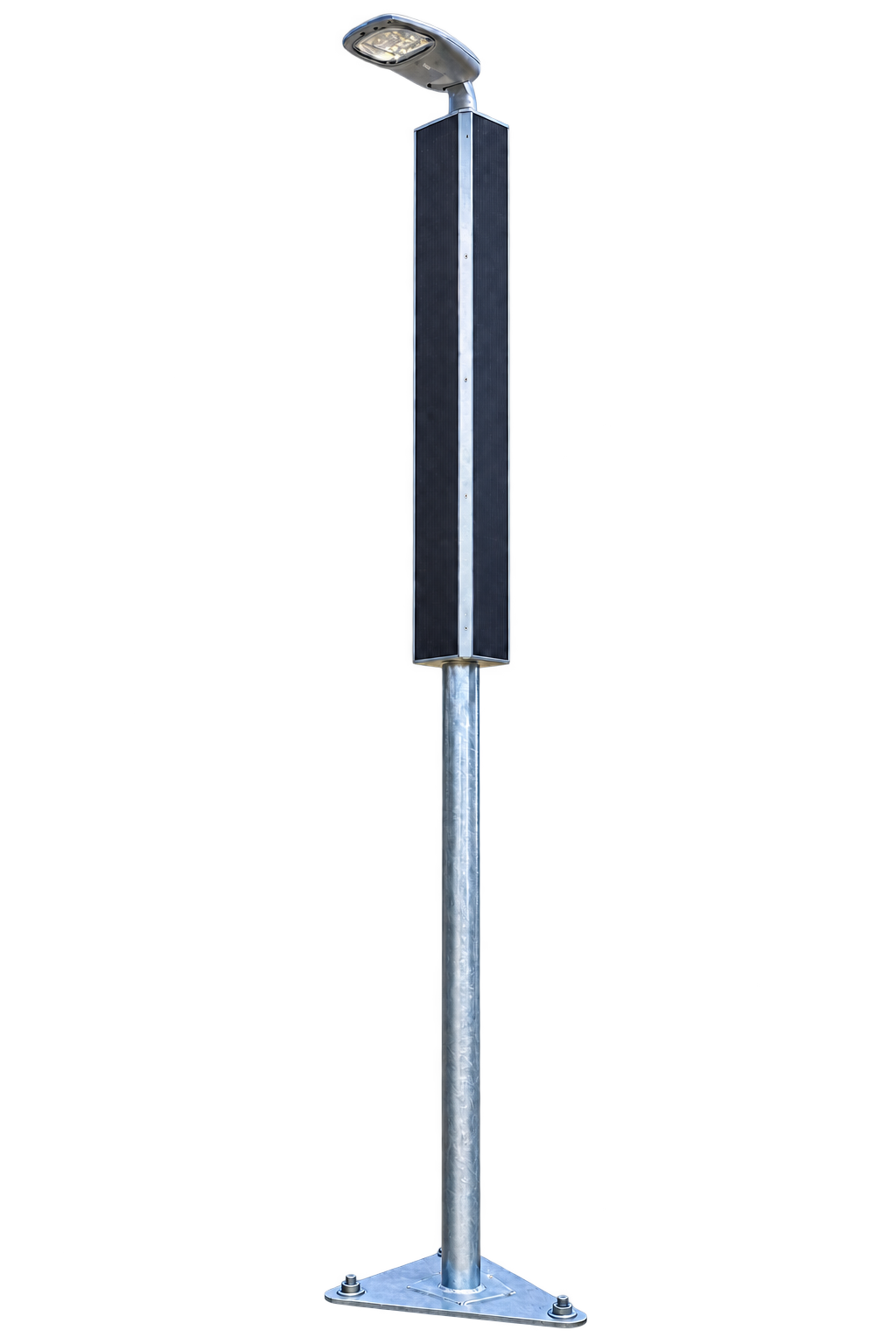
 Four solar panels
Quatro
A modular range for footpaths, cycle routes and public spaces. Battery capacity can be adapted to the configuration.
240 WpSolar array
40 WMax. luminaire power
4–6 mColumn height
Light with its own energy
Solar lights for paths, parks and public spaces. Explore our ranges and their technical specifications.
 Solar light detail
Product ranges
Four or six panels around the column. Choose according to the installation site and lighting requirements.
Four solar panelsA modular range for footpaths, cycle routes and public spaces. Battery capacity can be adapted to the configuration.
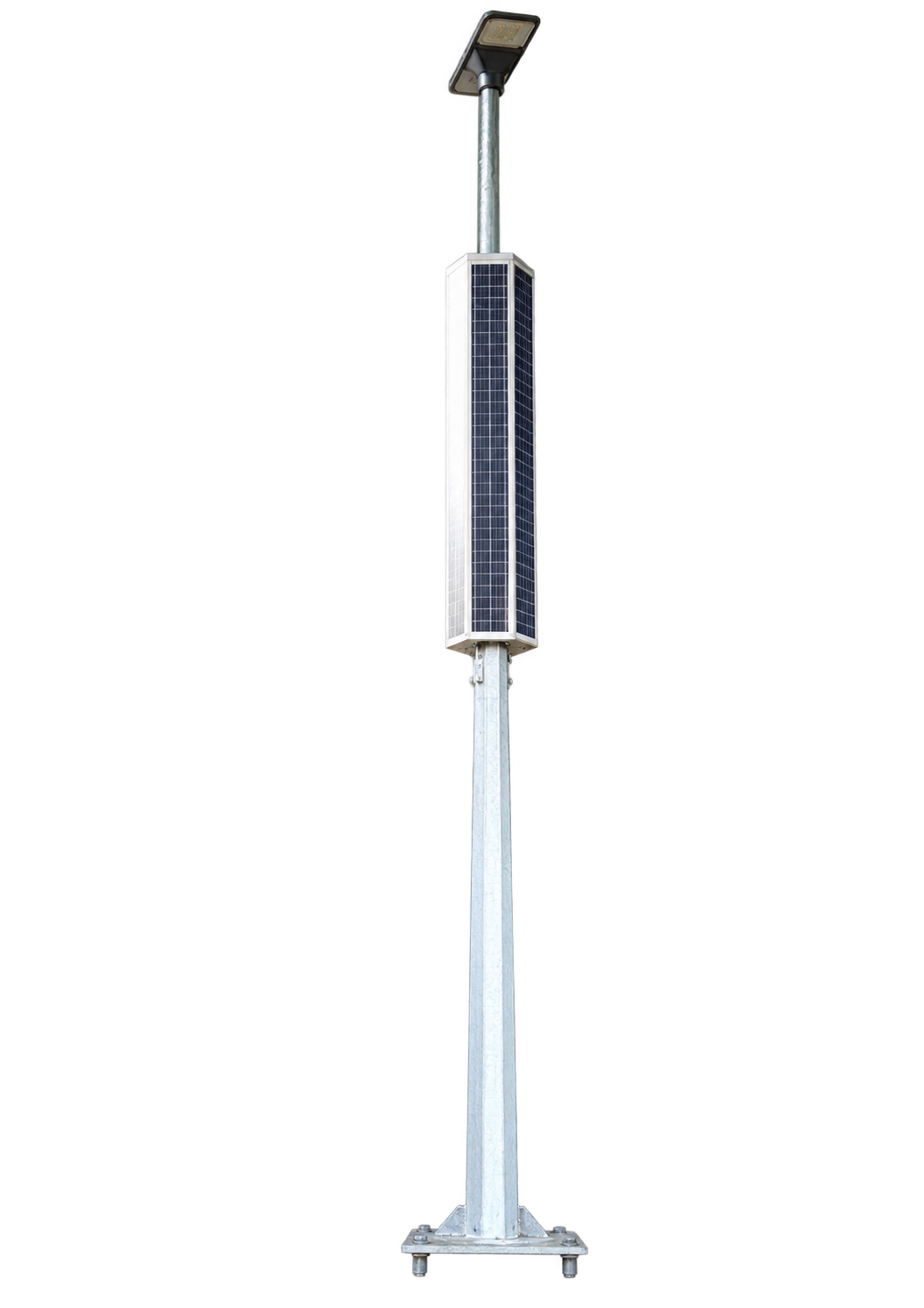 Six solar panels
For parks, car parks and larger spaces.
Quatro and Hexagon · technology
Both ranges combine vertical solar panels, an LTO battery and lighting control. They differ in solar array output and battery capacity.
Quatro Q-4: a 230 Wh battery in the specified configuration. The modular design allows capacity to be adapted to the project.
Hexagon: a 540 Wh battery to store energy from the six-panel array.
The benefits of LTO technologyQuatro: four vertical panels with a total output of 240 Wp.
Hexagon: six vertical panels with a total output of 360 Wp.
Both ranges power an LED luminaire with a maximum output of 40 W.
Quatro and Hexagon offer 10 lighting programmes, a motion sensor and GSM communication for remote monitoring.
Both ranges allow the lighting schedule to be individually configured for the needs of each location.
Luminaires with PC Amber technology available
For projects where the character of the night-time environment matters, we offer luminaires with PC Amber technology. Their warm amber light, with a greatly reduced blue component, is an attractive option for municipalities, parks and paths close to nature.
PC Amber produces a very warm colour using a phosphor that converts light from the LED chip to longer wavelengths. The result is amber lighting with a distinctive character.
An amber spectrum can help reduce skyglow. Combined with downward-directed light and appropriately set output, it supports thoughtful lighting of public spaces.
We offer PC Amber luminaires for locations where lighting should respect the surrounding night-time environment. The configuration and lighting schedule are selected according to the use of the space and project requirements.
PC Amber stands for Phosphor Converted Amber. The exact spectrum depends on the LED used. Optics, intensity and operating hours also influence the result.
Battery technology
LTO is a lithium-titanate battery. Instead of a conventional graphite negative electrode, it uses lithium titanate. This design supports a long cycle life, fast charging and operation in cold conditions.
Both LTO and LFP are types of Li-ion battery. Here, “conventional Li-ion” refers to NMC/NCA cells with a graphite negative electrode.
Toshiba specifies more than 20,000 charge cycles for SCiB, depending on cell type and operating conditions. For lighting, this offers the potential to reduce battery replacements during service.
Selected SCiB LTO cells allow charging at temperatures as low as −30 °C. Charging conventional LFP and NMC/NCA cells below freezing is generally restricted and may require heating.
LTO handles high charging currents well and offers strong resistance to thermal failure. In a solar light, charging speed also depends on panel output and the controller.
| Feature | LTO | LFP | Li-ion NMC/NCA |
|---|---|---|---|
| Main advantage | Long cycle life and cold-weather operation | Long service life and thermal stability | High capacity in a compact size |
| Charging below freezing | Possible with suitable cells | Usually restricted without heating | Usually restricted without heating |
| For outdoor lighting | Focus on durability and cycle life | Charging temperature conditions must be addressed | Charging temperature conditions must be addressed |
LTO has a lower energy density than conventional Li-ion: the same capacity requires a larger, heavier battery. Its main benefit for lighting is operational durability.
Technical overview
Key figures from the original product documentation. See the individual product sheets for details.
| Parameter | Quatro | Hexagon |
|---|---|---|
| Number of solar panels | 4 vertical | 6 vertical |
| Solar array output | 240 Wp | 360 Wp |
| Maximum luminaire power | 40 W | 40 W |
| Column height | 4 / 5 / 6 m | 6 m as standard; taller options available |
| Battery technology | LTO · Toshiba | LTO · Toshiba |
| Battery capacity | 230 Wh in the Q-4 configuration | 540 Wh; higher capacity available |
| Colour temperature | 2700 K / 1850 K option | 2700 K / 1850 K option |
| Lighting programmes | 10 programmes / individual settings | 10 programmes / individual settings |
| Motion sensor | Yes | Yes |
| Remote monitoring | GSM | GSM |
| Anchoring | Usually ground screws | Usually ground screws |
Solar lighting applications
New developments, housing estates, and central and outlying areas of towns and villages.
Urban streets, local roads, footpaths and public transport waiting areas.
Cycle routes, sports grounds, playgrounds and parks.
Car parks, cemetery paths and waste collection points.
Industrial and guarded sites, camera installations and replacement of existing street lighting.
Power for e-bike chargers and site-specific installations. Additional equipment requires a suitable system configuration.
Power supply and energy storage
Energy for equipment that needs to work without a permanent electricity supply.
A hybrid and off-grid power supply for cameras, Wi-Fi, public address systems and traffic equipment. It stores energy from the grid or solar panels and powers connected equipment when the source is unavailable.
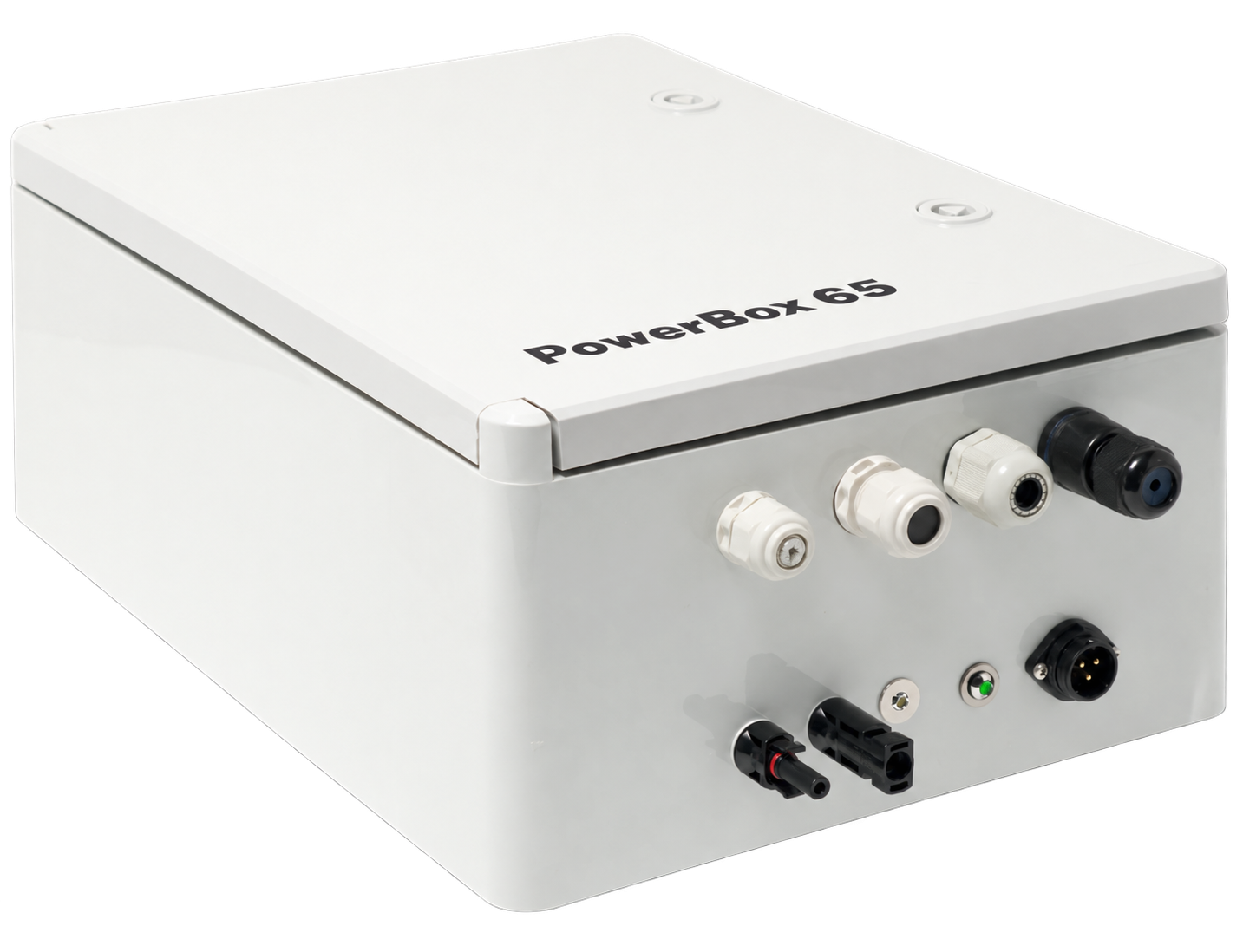 PowerBox 65 shown
On a street-lighting column, the battery charges while the grid supply is on. During the day, it supplies energy to equipment such as a camera.
With solar panels, it stores energy during the day for use at night as well. Both operating modes can be combined.
Powerbox can use the street-lighting supply at night and solar generation during the day. This combination can reduce grid consumption.
The unit can also serve as a backup power supply. Runtime depends on the available capacity and connected load.
Remote visibility
When connected to a cloud interface, the unit can be monitored and managed remotely and send notifications. Internet access is provided via Ethernet or a suitable data device, such as a router with a SIM card.
Powerbox supplies connected equipment even without internet access. An online connection is required for remote management.
Compatible equipment
Connected equipment must match the output voltage and power rating of the selected configuration.
LTO options
| Model | Nominal load | Battery | Max. output current | Weight |
|---|---|---|---|---|
| PowerBox 10 | 10 W | 200 Wh | 3 A | 7 kg |
| PowerBox 20 | 20 W | 400 Wh | 3 A | 10 kg |
| PowerBox 40 | 40 W | 800 Wh | 5 A | 15 kg |
| PowerBox 65 | 65 W | 1200 Wh | 10 A | 22 kg |
3 × 12 V DC as standard. Optional 24 V and 48 V outputs. Input: 230 V AC or 12–22 V DC / 7 A. Operating temperature: −30 to +60 °C. Ethernet and DHCP for online monitoring. Column or wall mounting.
Projects
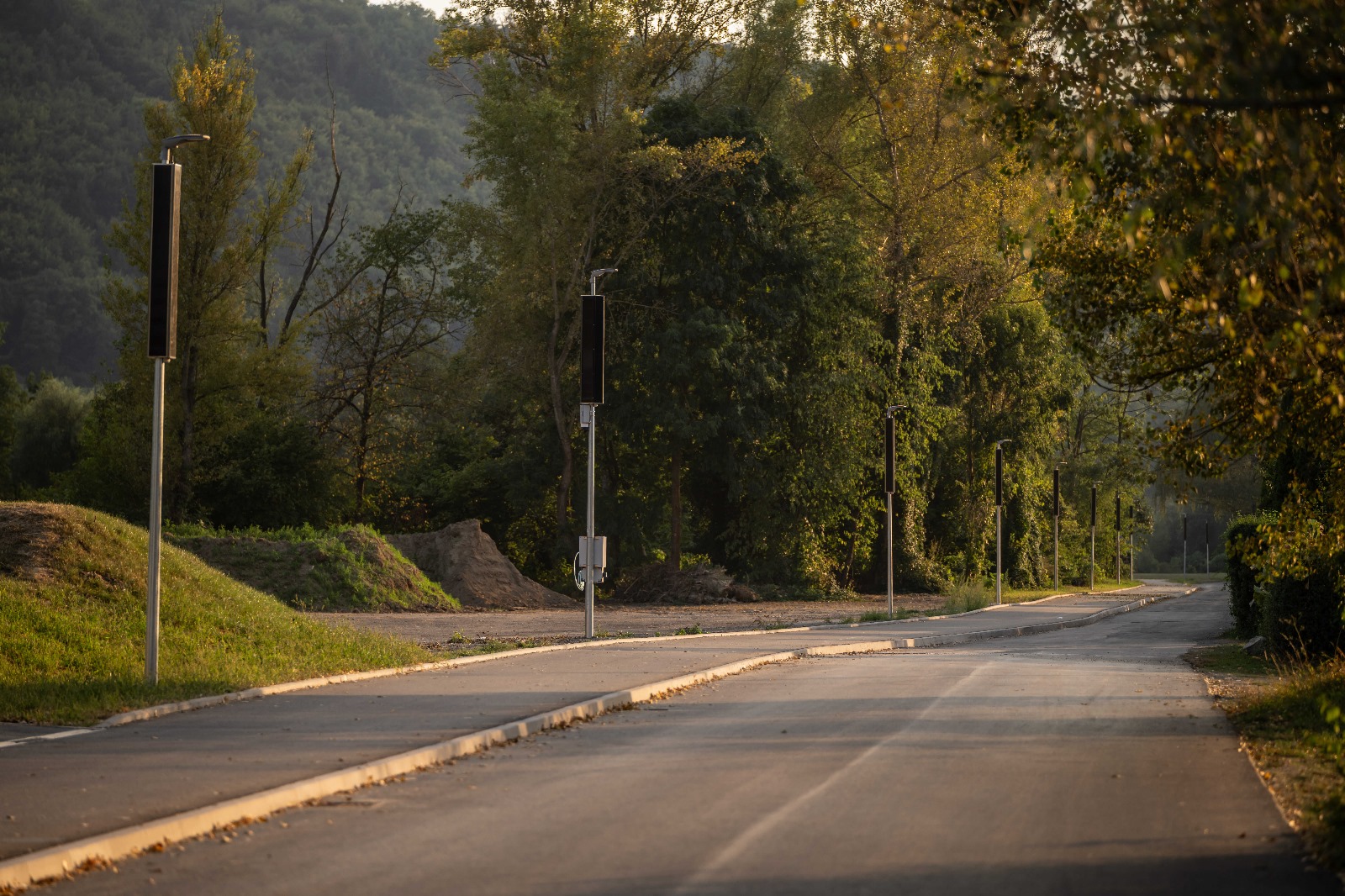
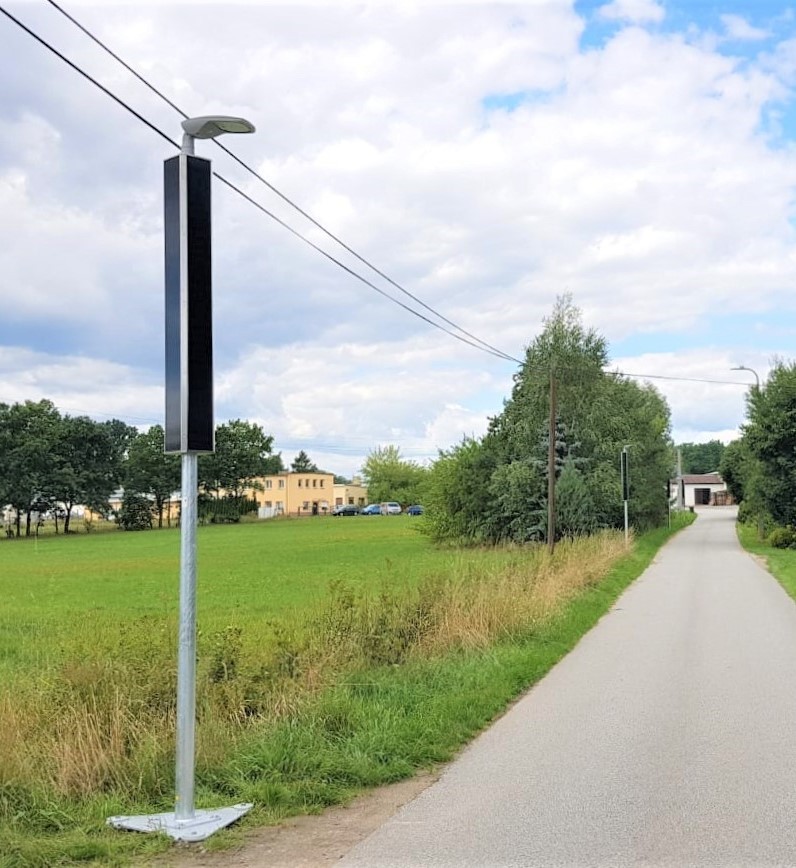
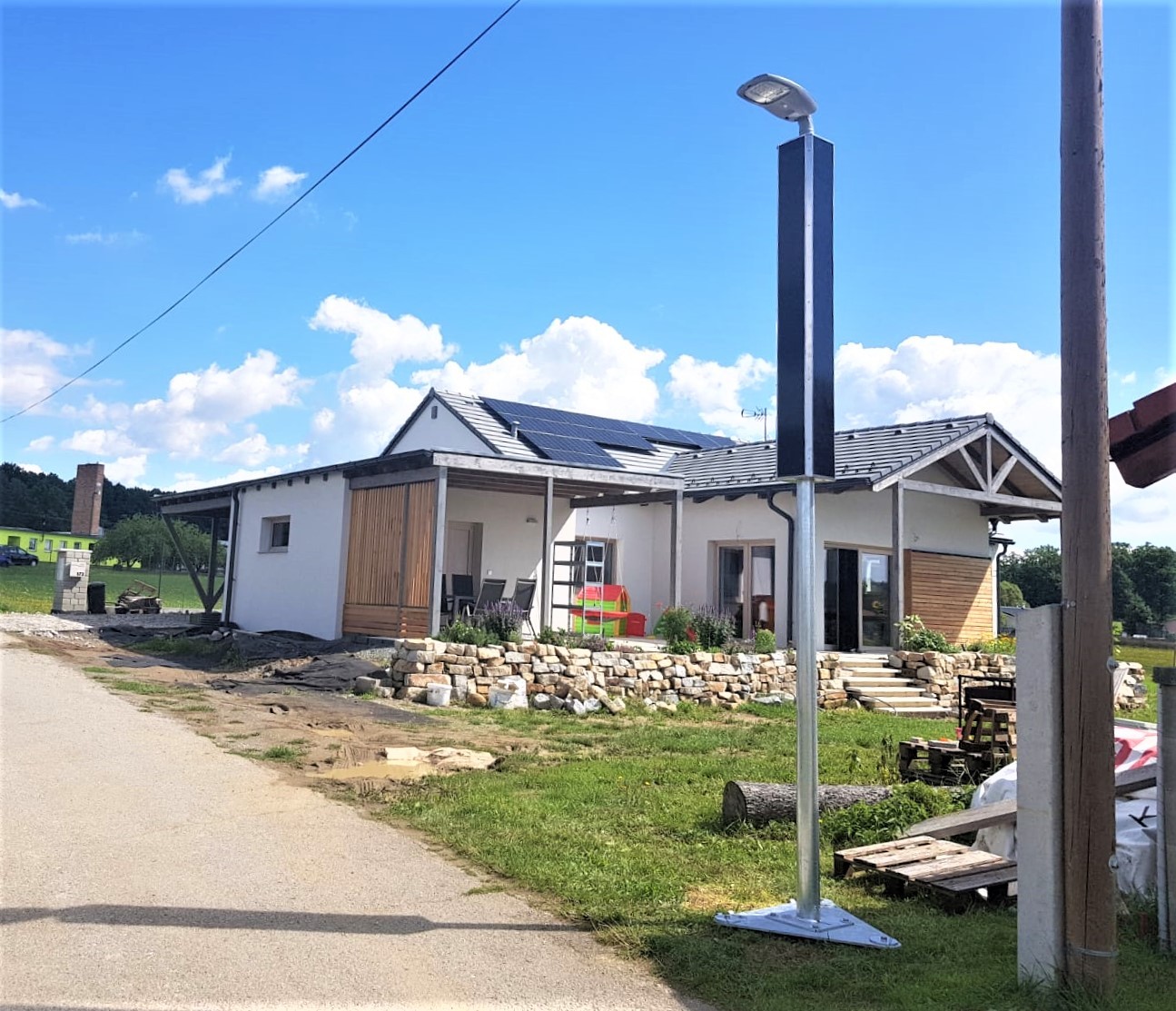
Installation examples from product materials and the HVAC trade presentation.

Contact
Planning lighting for a town, paths or a site? Contact us to discuss the right range and configuration for your project.
Visits by prior appointment.
Company ID: 01988743
VAT ID: CZ01988743
Registered with the Municipal Court in Prague, Section C, File 214260.